Home How Can Dental Bonding Improve Your Smile at Dental Arts of Frisco in Frisco, TX?
Few look in the mirror and think I wish I had a completely different smile.
Usually it’s just a little thing that catches their attention. A small chip on the corner of a front tooth. There’s always been a bit of a gap.
One tooth appears a little shorter than the rest. Each of these imperfections may seem small on their own, but combined they can affect a person’s confidence in smiling.
There is good news. Fixing these problems does not always require extensive cosmetic dentistry. Often, dental bonding is an easy way to improve a tooth’s appearance while preserving its natural structure.
Dentists can subtly change a tooth to make a noticeable difference in a smile’s overall appearance by carefully sculpting tooth-colored resin directly onto it.
Minor chips are one of the most common reasons patients consider cosmetic dental bonding. Whether it’s been caused by biting down on something hard or developed over the years from normal wear, a little chip can make a front tooth look out of place.
Bonding restores a more balanced smile by filling the missing part with a tooth-colored material that is carefully shaped to match the surrounding tooth.
Natural teeth are never perfectly symmetrical. One tooth may be a bit shorter, narrower, or differently shaped than its neighbor.
Cosmetic bonding allows the dentist to make small adjustments to improve proportions and create a smile that appears more uniform while still looking entirely natural.
Professional teeth whitening is good for many types of staining, but not all discolorations respond to whitening products.
Sometimes the stains or color changes are deeper in the tooth and need a different approach for cosmetic improvement. Bonding can be used to treat isolated areas that do not blend well with the rest of the smile.
Every bonding treatment begins with a conversation, not a procedure. Some patients want to fix a single chipped tooth, while others want to improve the shape or appearance of several teeth.
Knowing exactly what you want to change helps your dentist determine whether dental bonding is the right solution or another cosmetic treatment will yield better long-term results.
One reason many patients choose teeth bonding in Frisco, TX, is that very little of the natural tooth structure needs to be removed.
The tooth surface is gently prepared to ensure the bonding material adheres well while conserving healthy enamel as much as possible. This conservative approach makes bonding an attractive option for small cosmetic improvements.
Tooth-colored composite resin is placed directly on the tooth and shaped by hand to the desired shape.
The material is sculpted, honed, and contoured gradually rather than using a one-size-fits-all approach, so it blends naturally with the surrounding teeth. The contour, proportion and overall harmony of the tooth with the smile are also considered.
When the bonding material is hard, the restoration is polished to a high shine that closely resembles the natural enamel around it.
Your dentist in Frisco, TX, also checks your bite and makes any small adjustments needed to make the tooth feel as good as it looks. The aim is a result that feels natural during everyday speaking, smiling, and eating.
| Who Qualifies? | Patients with chipped teeth, small gaps, uneven tooth shapes, minor discoloration or other cosmetic imperfections may be candidates for dental bonding. |
| Process Overview | Step 1
Your dentist evaluates your smile and discusses the cosmetic changes you would like to make. Step 2 The tooth is prepared, and a tooth-colored composite resin is carefully applied to improve its appearance. Step 3 The bonded tooth is polished and shaped to look natural and feel comfortable when you bite. |
| Timeline | Many cosmetic bonding procedures are completed in a single dental visit, depending on the number of teeth being treated. |
| Aftercare | Good oral hygiene, avoiding biting hard objects with bonded teeth, and regular dental checkups will help maintain your results. |
| Location & Contact | Dental Arts of Frisco
5858 Main St Suite 250, Floor 2, Frisco, TX 75033, United States |
You don’t always need major dental work to solve cosmetic problems. Most people aren’t concerned about their whole smile, just one chipped tooth, a small gap, or an uneven edge.
For these minor problems, dental bonding helps make precise repairs without harming healthy teeth that do not need any work. This conservative approach is often one of bonding’s biggest advantages for patients seeking subtle enhancements.
Cosmetic dental bonding in Frisco, TX, is popular for many reasons, one of which is that it typically requires minimal modification to the natural tooth.
Bonding is designed to adhere to the existing tooth structure rather than reshaping larger portions of enamel, as some restorative procedures do. Preserving healthy enamel whenever possible helps maintain the tooth’s natural strength while improving its appearance.
Many cosmetic dental procedures require multiple visits, temporary restorations, or laboratory fabrication. However, dental bonding is another story.
In many cases, the tooth can be recontoured, refined, and polished in a single appointment. This is appreciated by patients who desire noticeable cosmetic improvements but do not wish for a protracted treatment process.
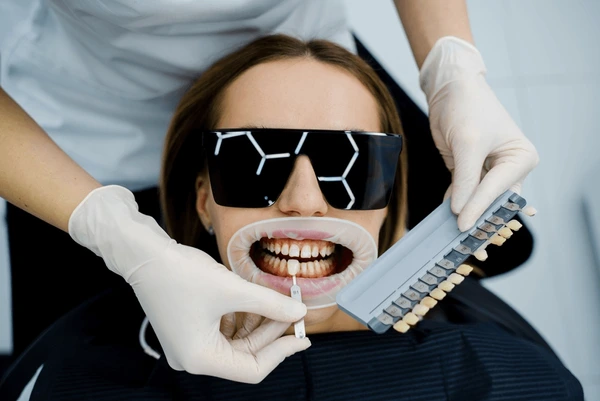
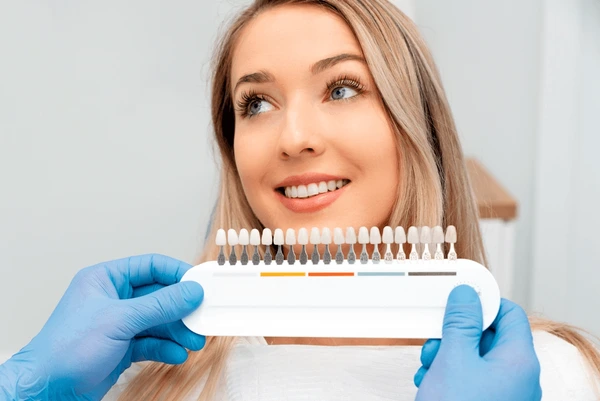
Modern composite resin is available in a number of shades so that the restoration blends in closely with the surrounding teeth.
The idea is for it to blend in with the rest of the tooth, not be an obvious patch. Careful shaping and polishing also help the bonded area reflect light like natural enamel, resulting in a more seamless appearance.
Dental bonding is a versatile treatment because it can address many concerns in a single appointment.
Chipped teeth, uneven edges, small gaps, and minor surface irregularities can also be corrected at the same time, giving a more balanced smile without multiple cosmetic procedures. This flexibility makes bonding appealing for patients with multiple minor imperfections.
For a lot of people who are looking at cosmetic dentistry, they’re not trying to get a completely different smile. They’re just trying to take care of those little things they’ve seen for years – the chipped corner, the small gap, or the tooth that never quite matched the others.
Dental bonding is a simple solution to these problems without extensive treatment or long recovery time.
When patients are considering dental bonding in Frisco, TX, they appreciate that the treatment is conservative, efficient, and highly individualized.
If you want to repair a broken tooth or achieve a more even smile, working with an experienced dentist helps ensure the improvements look natural and enhance your existing teeth rather than look overdone.
What can cosmetic dental bonding fix?
Dental bonding is commonly used to repair chipped teeth, close small gaps, reshape uneven teeth, improve minor discoloration, and smooth small surface imperfections. Your dentist will determine whether bonding is the most appropriate treatment for your specific cosmetic concerns.
How long does dental bonding last?
With good oral hygiene and proper care, dental bonding can last for several years. The lifespan depends on factors such as where the bonding is placed, everyday biting habits, and whether the bonded tooth experiences significant wear over time.
Can bonded teeth stain over time?
The composite resin used for bonding can gradually pick up stains from coffee, tea, tobacco, and other dark-colored foods or drinks. Maintaining good oral hygiene and attending regular dental cleanings can help keep the restoration looking its best.
Is dental bonding better than veneers?
The answer depends on your goals. Bonding is often recommended for smaller cosmetic improvements, while veneers may be more appropriate for patients seeking better smile enhancement in Frisco, TX. Your dentist will discuss both options and recommend the treatment that best matches your smile goals.
Dental bonding is proof that you don’t have to undergo extensive cosmetic procedures to achieve a better smile.
Small chips, spaces, uneven edges, or isolated discoloration can often be fixed with a conservative approach that preserves healthy tooth structure and creates a more balanced appearance.
If you are interested in cosmetic dental bonding in Frisco, TX, or would like to learn more about smile enhancement, contact Dental Arts of Frisco to schedule a consultation.
A personalized assessment can help you determine if dental bonding is the right solution for the natural looking improvements you want.