Technology is changing the way we watch, walk, and move, and pretty much everything else that you can think of!
But did you know that it’s also revamping the way we smile?
Yes, it’s true. Thanks to the latest advancements in dental technologies, we have access to numerous dental procedures to revamp our smiles today.
In this blog, we take a closer look at the different types of advanced dental tech and how it’s reforming oral health via topics like:
So continue reading as we learn more about advanced dental technologies in the following sections.
Dental technology refers to the several equipment, methods, and materials used to diagnose, prevent, and treat dental problems. It entails implementing, designing, and developing technologies to replace or improve your natural smile.
These breakthroughs vary from primary dental prostheses such as bridges, dentures, and crowns to recent developments such as laser dentistry, 3D printing, and digital impressions. Thanks to its continuous evolution, dentistry technology has become the foundation of the modern dentistry industry, enabling dental professionals to provide superior care.
What’s more? Incorporating sophisticated dental technologies in Frisco, TX, into dental practices provides accurate diagnosis, high-quality treatments, and better patient results.
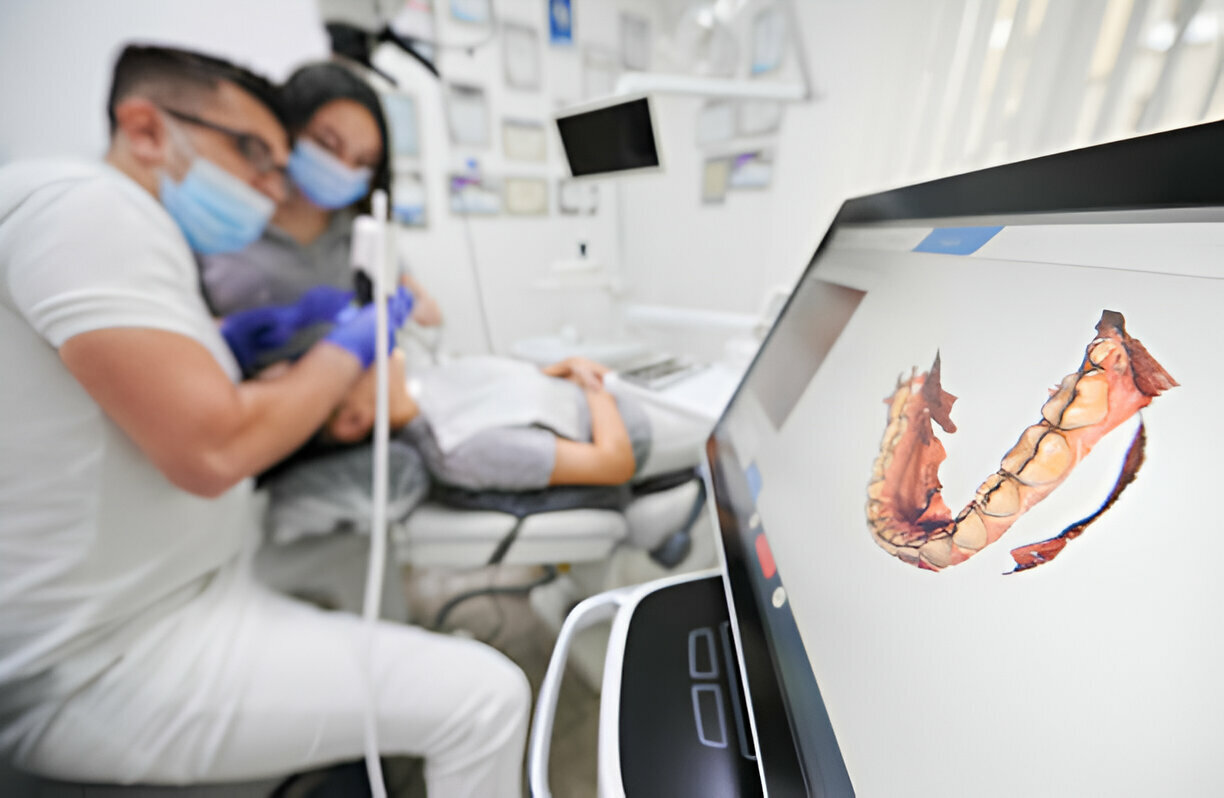
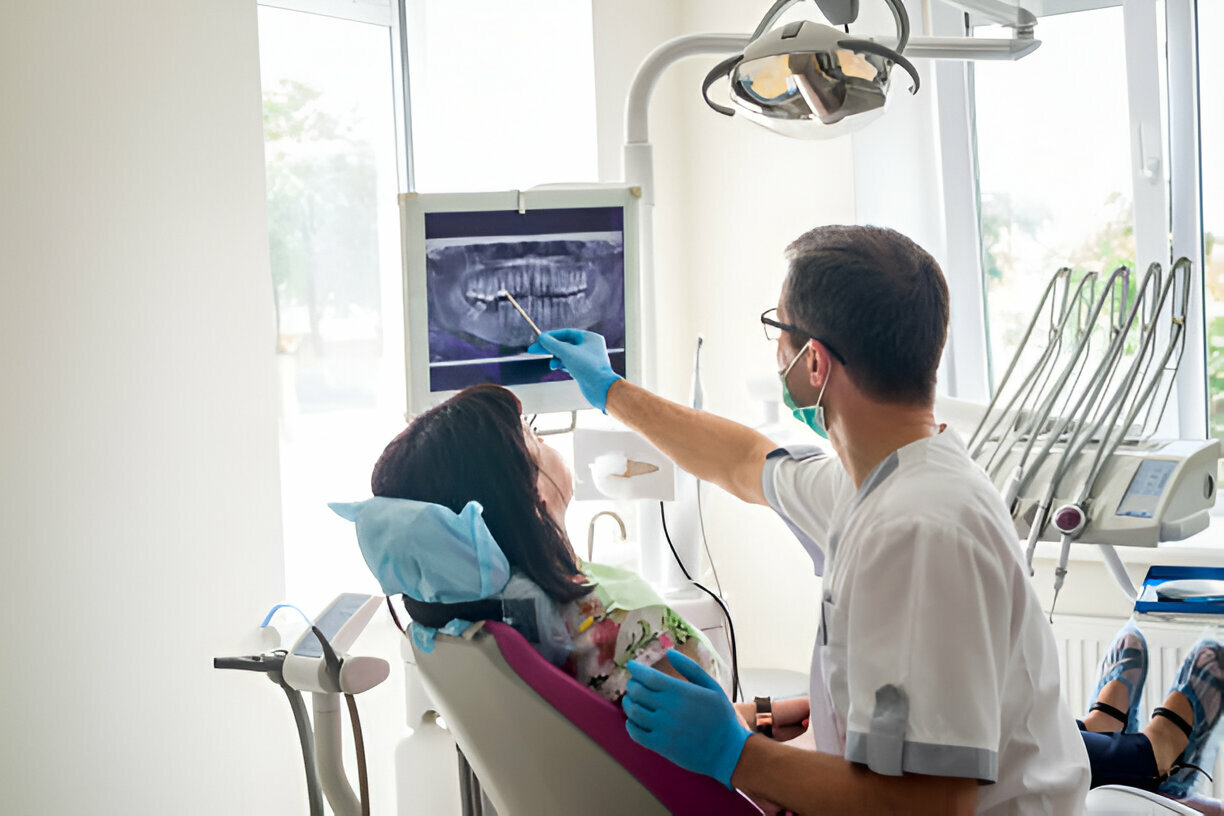
Digital X-rays are replacing traditional means of scanning patients’ cavities. Although digital X-rays have been on the market for several years, they have recently become more popular with dentists.
Traditional radiographs take longer and are less effective than digital X-rays. Instead of using film, the technician places a phosphor plate or an electronic sensor into the patient’s mouth to take an image. After being transferred or scanned, the digital picture is viewed on a computer. Compared to processing traditional film, this approach is far quicker.
The technology also enables your dentist to retain digital photos on the computer and compare them with earlier or later photographs to monitor how well your oral health is being maintained.
Traditionally, dentists used the “explorer” to discover cavities. During checkups, they use this equipment to explore your oral cavity. What’s more? Once it “sticks” in a tooth, the technology allows dentists to examine it closely to see whether there is decay.
Many dentists are now transitioning to diode lasers, a more advanced method of diagnosing tooth decay. The laser lets your dentist decide whether to monitor the tooth, compare the levels at the next visit, or recommend removing and filling the cavity.
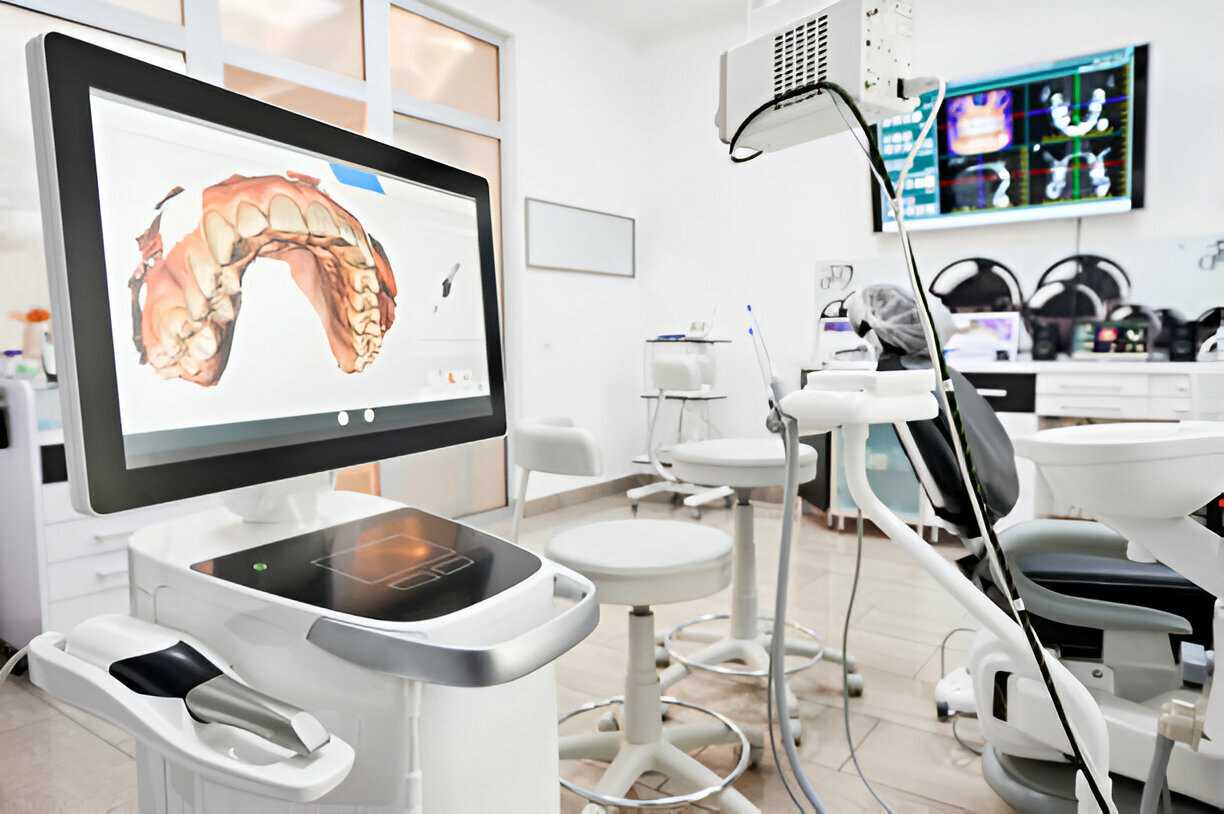
CAM, Computer-Aided Manufacturing, CAD, and Computer-Aided Design are shaping the future of dentistry. When combined, both technologies help reduce visits to a dentist to complete procedures such as crowns and bridges.
Traditionally, when a patient needs a crown, a dentist must make a mold of the tooth, fashion a temporary crown, and wait for the dental laboratory to make a permanent one.
The CAM and CAD technology enabled dentists to drill and prepare the tooth for the crown. The technology also allows them to photograph the cavity using a computer.
Thanks to the latest improvements in bonding material and techniques, today, you can fix a chipped tooth to look more natural than it would have.
Dentists today use resin (plastic) as the bonding material, which is shinier and longer-lasting than the substance used in the past. Dentists often use resin layers on a tooth to bond and repair it. The wider range of shades allows them to better blend the bonding material to your tooth’s natural color.
3D Printing
3D printing in dentistry enables the rapid and exact production of dental models, dentures, crowns, veneers, and even surgical guidance. This technology accelerates the production process and allows unrivaled personalization.
Each dental appliance may be customized to match the individual shapes of a patient’s mouth, assuring maximum comfort and efficacy. The capacity to manufacture dental restorations and appliances in-house also results in lower wait times and speedier treatment completion for patients.
If you are hesitant to see the dentist, imagine how difficult it is for youngsters, individuals with special needs, or older adults in nursing homes. Another difficulty is distance: people in rural regions have limited access to dentists and rarely have a choice. This might alter dramatically with the spread of teledentistry.
Thanks to teledentistry services, oral and dental treatment are now more accessible and reasonably priced for patients in remote areas. This shift toward more cost-effective preventative approaches further allows patients to consult with medical specialists who are otherwise inaccessible.
One of the most inconvenient aspects of sitting in the dentist’s chair is that no matter how wide you open your mouth, the dentist may still be unable to see what they want, even with the trusted dental mirror. Such scenarios are unpleasant and painful for the patient and the doctor.
However, the introduction of intraoral cameras can address this issue precisely. These cameras are designed to enter your oral cavity and look inside your mouth to better identify the problems.
| Traditional Dentistry vs Modern Dental Technology | ||
| Feature | Traditional Dentistry | Modern Dental Technology |
| X-rays | Film-based | Digital imaging |
| Impressions | Dental molds | Digital scanners |
| Treatment planning | Manual | Computer-assisted |
| Accuracy | Moderate | Highly precise |
Innovative dental technologies used by the best dentists in Frisco, TX, are changing the face of modern dentistry by enhancing diagnostics, oral health results, treatment accuracy, and patient comfort.
From digital radiography and intraoral cameras for improved imaging to laser dentistry and CAD/CAM technologies for less invasive procedures and same-day restorations, these developments are transforming the patient experience for the better.
Embracing this technology enables dental practitioners to deliver more efficient, accurate, and individualized treatment while helping patients better understand their dental health.
Dental Arts of Frisco delivers personalized, patient-centered care using advanced technologies to improve diagnosis, safety, and comfort. Offerings include high-detail imaging (intraoral camera, digital and panoramic X-rays) for early, comprehensive evaluations and a full range of sedation options (oral conscious, nitrous oxide, IV) tailored to anxiety levels and procedure complexity. The practice emphasizes modern methods, clear communication, and a comfortable experience for every patient.