Category : dental frisco tx

Maintaining Your Partial and Full Dentures: A Comprehensive Guide

Summary: 

Dentures are crucial for those with missing teeth, offering aesthetic and functional benefits. This comprehensive guide encompasses everything you need to know about maintaining your partial and complete dentures, ensuring durability, functionality, and comfort. From daily care routines to understanding the differences between partial and complete dentures, this guide is your go-to resource for denture maintenance.

Understanding Dentures: The Basics

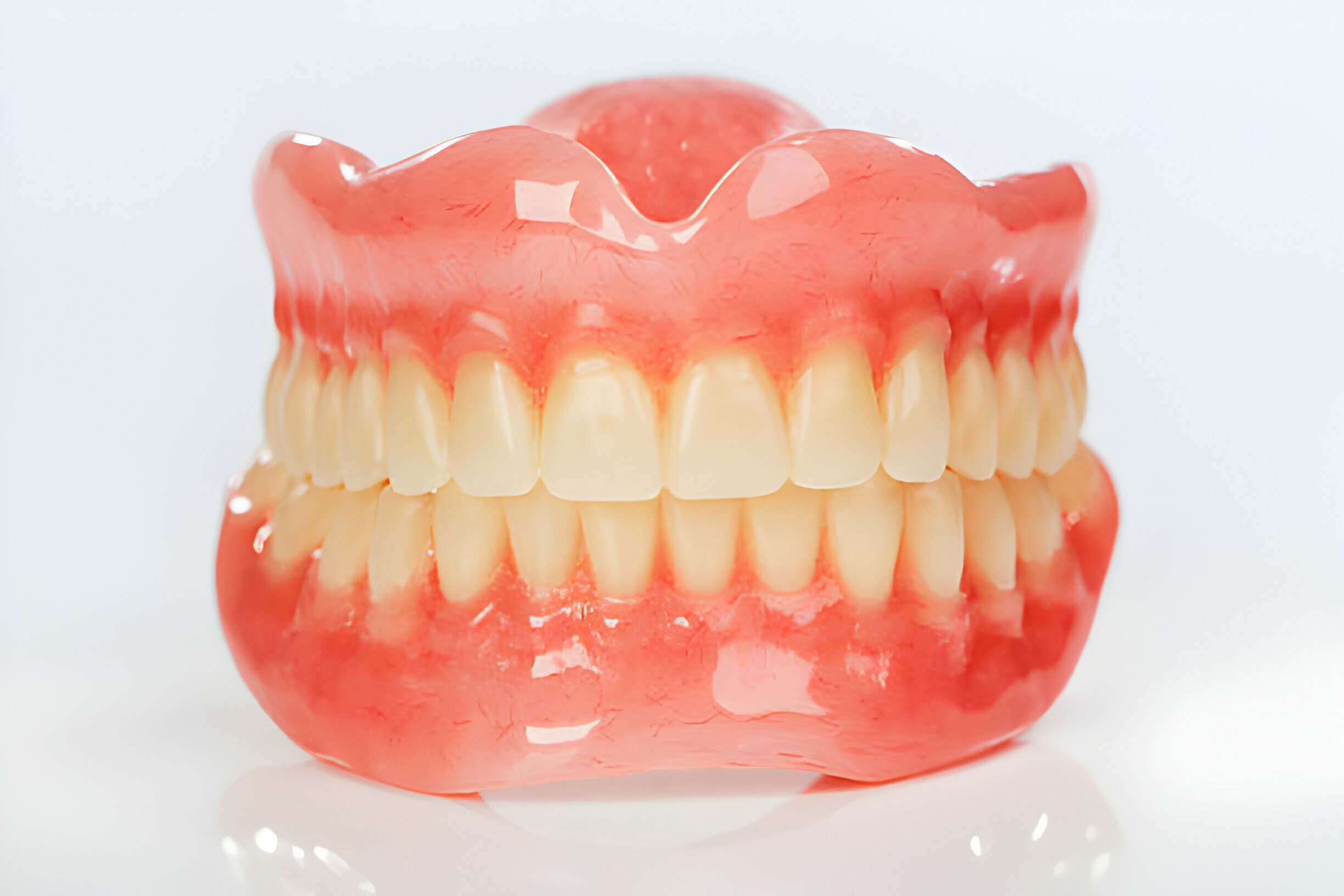
Dentures are removable prosthetic devices that replace missing teeth and restore function and appearance. There are two main types: partial and full dentures. Partial dentures are used when only a few teeth are missing, while full dentures are necessary when all teeth in one or both jaws are lost.

Partial dentures are typically made from metal and acrylic and designed to fit around your remaining natural teeth. On the other hand, complete dentures are made entirely of acrylic and rely on suction and the natural anatomy of your mouth for stability.

  • Supports Facial Structure: 

Dentures help maintain the natural contours of your face, preventing the sunken appearance that often accompanies tooth loss. This support gives you a more youthful look.

  • Prevents Further Tooth Loss: 

For those who still have some natural teeth, partial dentures can help distribute chewing forces evenly, reducing the strain on the remaining teeth and helping to prevent further tooth loss.

  • Non-Invasive Option: 

Unlike dental implants requiring surgery, dentures offer a non-invasive solution to tooth replacement. This makes them a viable option for individuals who may not be suitable candidates for surgical procedures due to health concerns.

  • Customizable Appearance: 

Dentures can be tailored to match the color, shape, and size of your natural teeth, allowing for a seamless and aesthetically pleasing smile that feels more like your own.

  • Ease of Adjustment: 

Your dentist can easily adjust your dentures over time to accommodate changes in your mouth’s structure, ensuring continued comfort and effectiveness.

  • Cost-Effective Maintenance: 

Regular maintenance of dentures is typically straightforward and affordable, involving cleaning and periodic adjustments, making them a cost-effective long-term solution for tooth replacement.

  • Quick Restoration: 

Dentures can be fabricated and fitted relatively quickly compared to other dental restoration options, providing a faster solution for those looking to restore their smile and oral function.

Fun Fact: Did You Know?

Dentures date back thousands of years! The Etruscans made the earliest recorded dentures in 700 BC, using human or animal teeth. Thankfully, denture technology has come a long way since then.

Why Proper Denture Maintenance is Crucial

Maintaining your dentures in Frisco with the help of the best dentist in Frisco, TX, is essential for longevity and oral health. Poor denture care can lead to many issues, including gum irritation, infections, and even bone loss in the jaw. Additionally, well-maintained dentures can significantly improve your quality of life by allowing you to eat, speak, and smile confidently.

Daily Denture Care Routine

A consistent daily care routine is vital to keep your dentures in top condition. Here’s a step-by-step guide to maintaining your dentures:

  1. Rinse After Eating: Always rinse your dentures with warm water to remove food particles and prevent staining.
  2. Daily Cleaning: Use a soft-bristle toothbrush or a special denture brush with non-abrasive denture cleaner to clean all surfaces of your dentures. Avoid regular toothpaste as it can be too abrasive and damage the material.
  3. Soak Overnight: When you’re not wearing your dentures, keep them moist by soaking them in a denture-cleaning solution or plain water. This helps maintain their shape and prevents them from drying out.
  4. Handle with Care: Dentures are fragile, so always handle them over a soft surface like a towel or a basin of water to prevent damage if they’re accidentally dropped.
  5. Maintain Oral Hygiene: Even with dentures, it’s essential to brush your gums, tongue, and any remaining natural teeth twice daily to reduce plaque buildup and promote healthy gums.

Stats and Figures: The Impact of Dentures

  • Over 36 million Americans have no teeth, and 90% wear dentures. 
  • Approximately 15% of the edentulous population has dentures made each year.

These statistics underscore the importance of proper denture care to ensure denture wearers’ best quality of life.

Common Issues and Solutions

Even with the best care, dentures can present challenges. Here’s how to address some of the most common issues:

  1. Discomfort and Soreness: It’s normal to experience discomfort when getting dentures. However, if the soreness persists, it may be due to an improper fit. Visit your dentist for adjustments. 
  2. Difficulty Eating: Chewing with new dentures can be tricky at first. Start with soft foods and gradually introduce more complex items as you become more comfortable. 
  3. Speech Difficulties: Dentures can affect your speech initially. Practice speaking slowly and clearly, and consider reading aloud to speed up the adjustment process. 
  4. Loose Dentures: Over time, dentures may become loose as your jawbone changes shape. Regular dental visits help ensure your dentures fit properly and comfortably.

The Importance of Regular Dental Check-ups

Even if you wear complete dentures, regular dental visits are crucial. Your dentist will check the fit of your dentures, examine your gums and oral tissues, and look for signs of potential issues such as infections or bone loss. Dentures typically must be replaced every 5-7 years, but they can last longer with proper care and regular adjustments.

The Best Dentist in Frisco, TX

If you’re struggling with denture maintenance or considering getting dentures, contact the best dentist in Frisco, TX. Our experienced dentists can provide personalized care and guidance to ensure your dentures fit perfectly and remain in top condition. Call us today to schedule your consultation and take the first step towards a healthier, more confident smile!

Takeaway: Tips for Long-lasting Dentures

  1. Follow a Daily Cleaning Routine: Rinse, brush, and soak your dentures daily to keep them clean and free from harmful bacteria. 
  2. Handle with Care: Always handle your dentures gently to avoid damage. 
  3. Regular Dental Visits: See your dentist regularly for check-ups and adjustments to ensure your dentures remain comfortable and functional. 
  4. Store Properly: When not in use, store your dentures in a soaking solution or plain water to prevent them from drying out. 

Stay Informed:

Educate yourself about the practices of the best dentist in Frisco, TX for denture care to avoid common pitfalls and prolong the life of your dentures.
Advice on How to Eat While Wearing New Dentures

Summary:

Did you recently undergo denture therapy? 

If yes, then chances are you’re already having difficulty adapting to the oral appliance, like over 42.46 million Americans.

While these custom-molded plastic or metal appliances are designed to replace missing, diseased, or otherwise damaged teeth, they can be tough to adapt. So whether replacing old dentures or transitioning from missing teeth, getting used to eating with false teeth takes time. 

Advice on How to Eat While Wearing New Dentures_1

Following our research on dentures, we’ve listed out some typical stages of getting used to the appliance through the following sections:

  • Three Stages of Learning to Eat With Dentures
  • Understanding the Adjustment Period with False Teeth

In the following sections, we take a more detailed look at some valuable tips on eating comfortably and confidently with new dentures. So continue reading as we learn more about eating with dentures in the following sections.

Three Stages of Learning to Eat With Dentures

Stage 1: Initial Adjustment (1-2 Weeks)

The first stage of learning to eat with dentures is the first adjustment period, which usually lasts one or two weeks. During this stage, your mouth, gums, and muscles adjust to false teeth. 

Here’s what you should expect throughout this phase of denture-wearing:

  • Minor Chewing: Begin by chewing slowly and gently with your dentures, taking small chunks, and utilizing both sides of your mouth. It may feel challenging at first, but chewing often can help strengthen your muscles and enhance your eating ability.
  • Soft Food Diet: To reduce soreness and allow your mouth to heal, stick to a diet high in soft, easy-to-eat foods. It includes yogurt, applesauce, mashed potatoes, soups, and vegetables.
  • Avoid Sticky or Hard Foods: Sticky or hard meals should be avoided during the initial adjustment period since they may be difficult to chew with false teeth. It contains nuts, seeds, chewy candies, and difficult meats.
  • Stay Hydrated: Drink plenty of water when wearing new dentures throughout the day. It allows you to stay hydrated and keep moisture in your mouth and can help ease any dryness or discomfort caused by wearing the appliance.

Stage 2: Building Confidence (2-4 Weeks)

The second step of learning to eat with dentures is gaining confidence and broadening your diet to include a more extensive range of foods. This stage typically happens between two and four weeks after receiving your appliance. 

Here’s how to move through this phase:

  • Practice Different Chewing Techniques: Explore various techniques to determine what works best for you. Some people find it beneficial to chew on both sides of their mouth simultaneously, but others prefer to chew on only one side.
  • Gradually Introduce Firmer Foods: As you become more accustomed to your dentures, slowly incorporate firmer foods into your diet. Before progressing to more challenging options, begin with milder versions of these foods, such as well-cooked vegetables or sensitive meats.
  • Be Patient and Persistent: Eating with false teeth requires time and patience, so be patient with yourself through this process. It’s acceptable to make some mistakes along the way, but with practice, you’ll steadily improve your ability to eat comfortably with your dentures.

Advice on How to Eat While Wearing New Dentures_2

Stage 3: Mastery and Adaptation (4-8 Weeks)

The third and last step in discovering how to eat while wearing dentures is proficiency and adaptation, which takes place four to eight weeks after you receive your dentures. During this stage, you will continue to improve your eating abilities and adjust to wearing false teeth as smoothly as possible. 

Here’s how to tackle this stage:

  • Stay Positive: Understand that being able to eat with false teeth is a process, and it’s expected to face difficulties along the way. Maintain a good attitude and focus on your progress, enjoying your accomplishments and requesting support from your dental care team as needed.
  • Maintain Good Oral Hygiene: Regular oral hygiene is critical to the health and lifespan of your dentures. Brush your appliance and clean your mouth properly to avoid plaque accumulation, gum inflammation, and foul smell.
  • Expand Your Diet: By now, you should be more comfortable eating various foods with your dentures in Frisco. Continue to broaden your diet to include all your favorite foods, making adjustments as necessary to accommodate your dentures.
  • Visit Your Dentist Regularly: Schedule regular dental check-ups to ensure that your false teeth fit correctly and that any difficulties or concerns are addressed. Your dentist can alter or repair your appliance to ensure they are comfortable and functional.

Understanding the Adjustment Period with False Teeth

Mechanical Soft Diet

The name refers to food mechanically transformed by mashing, blending, chopping, and grinding to make it easier to chew and digest. Pureed meals, such as cooked cereal, scrambled eggs, applesauce, mashed potatoes, and pudding, provide nourishment without causing gum damage or jaw muscle strain.

Here’s everything you should know about dentures and eating them on a mechanical soft diet:

  1. Soft Texture: Foods on a mechanical soft diet have a smoother texture, making them easier to chew and swallow. Examples include cooked vegetables, tender meats, soft fruits, mashed potatoes, and scrambled eggs.
  2. Nutrient-Rich Options: A mechanical soft diet can still include critical nutrients despite its more delicate texture. Incorporating foods from many groups ensures you get enough vitamins, minerals, protein, and fiber.
  3. Avoid rough or Chewy Foods: A mechanical soft diet often excludes foods that require considerable chewing or are difficult to swallow, such as coarse meats, raw vegetables, nuts, seeds, and hard fruits.
  4. Individual Needs Adaptations: A mechanical soft diet can be adapted to individual dietary constraints or preferences. This could include pureeing foods, using sauces or gravies to soften textures, or adding nutritional supplements as needed.

Returning to Normal Food

Advice on How to Eat While Wearing New Dentures_3

Getting used to your new dentures and eating will take at least a few weeks if not more. But it would help if you remained attentive about what and how you eat. No matter how sturdy your appliance is, remember that they are replacements for teeth permanently embedded in your jawbone. Dentures, on the other hand, rest only against the gums.

Consult Your Healthcare Professionals: Before you change your diet, consult with a healthcare professional or a registered dietitian. They may provide personal advice according to your health status and dietary requirements.

Start Slowly: Gradually reintroduce light, easily digestible foodstuffs that do not irritate the intestines. Some examples may be cooked vegetables, ripe fruits, tender meats, and soft grains.

Monitor Your Body’s Feedback: Take note of any response from your body as you gradually start eating different foods. Be alert to discomfort, such as indigestion, bloating, or other gastrointestinal symptoms.

Your denture dentist will also suggest you eat a mouthful and chew slowly to aid digestion and prevent tooth damage. Additionally, you should drink plenty of water throughout the day to support digestion.

Eating After Healing

Once you’re used to wearing dentures, you should be able to eat nearly anything. Some meals (such as those that are hard, sticky, or challenging) may be inherently difficult to eat. 

Even if you have a firm mouth and false teeth that fit well, you may want to avoid certain meals. Remember, at the slightest inconvenience, you should consult the denture professionals at your nearest dentist in Frisco, TX. 

Takeaway

  • Dentures are effective oral appliances that help you regain confidence after losing a tooth. 
  • It is essential to consult a healthcare practitioner or nutritionist before making any dietary modifications. Ensure that you drink water throughout the day to remain hydrated.
  • Keep up with regular dental care to ensure oral health is maintained. As you return to regular food habits, take it easier on yourself.
  • Having a hard time making a comeback with dentures? Connect with our experts at Dental Arts of Frisco today! 

Beginner’s Guide to Emergency Dental Services in Frisco, TX

Summary

Dental emergencies are more common than you might think! 

Uncertain dentist emergencies account for over 2 million visits to the ER each year in the United States. 

Beginner's Guide to Emergency Dental Services in Frisco, TX_1

Realizing something is wrong with your teeth or mouth can be intimidating. Dental emergencies can strike unexpectedly, causing pain and anxiety. Knowing how to respond in such situations is crucial to prevent further damage and seek timely professional care. 

Knowing about the basics of dental emergencies can significantly help in such situations. Keeping the same in mind, this blog explores:

  • Dental Care Emergency: What is it About?
  • What Should You Do In Case of a Dental Care Emergency?
  • Tips to Select an Urgent Dentist Near You
  • Benefits of Urgent Dental Care – How it Helps!

Continue reading as we learn more about emergency dental services in the following sections. 

Dental Care Emergency: What is it About?

If you are experiencing swelling, severe pain, or bleeding, you must visit an ER for a dental emergency immediately, as these are symptoms of oral emergencies. Symptoms like severe infection, prolonged discomfort, and loose teeth also classify emergencies. So, it’s essential to recognize these symptoms promptly to seek immediate help.

Other dental emergencies include injuries. They account for 5% of all injuries, and a significant portion involves damage to the teeth. 

  • Chipped or Broken Tooth: Accidents or injuries can lead to fractured or broken teeth. 
  • Knocked-Out Tooth: This might be from a fall or another mishap. Immediate intervention is required to save a knocked-out tooth.
  • Lost Filling or Crown: A lost filling or crown can expose sensitive dental tissue, causing pain and discomfort. 

What Should You Do In Case of a Dental Care Emergency?

Here are some tips for how to handle oral emergencies:

Stay Calm and Assess the Situation:

Take a moment to assess the severity of the situation before you reach out to emergency dental care. Stay calm once you have accessed the situation and proceed to the second step.

Contact an Urgent Dentist:

You can either call your regular dentist or emergency dental services as soon as possible. Explain the situation and follow the instructions that they provide over the phone.

Manage the Toothache:

If you have a severe toothache, thoroughly rinse your mouth with warm water and floss it carefully to remove any stuck debris gently. Avoid using aspirin or other pain medicines directly to your gums since this might cause burns. To reduce swelling, use a cold compress outside the mouth. 

Beginner's Guide to Emergency Dental Services in Frisco, TX_2

Handle Lost Fillings or Crowns:

Carefully handle the lost filling or crown in case of a dental emergency. Apply a small amount of oral cement or sugar-free gum to the area to protect it temporarily. 

It will also help if you find a first aid kit with essentials like sterile gauze, a small container, floss, and an emergency contact list. After treatment, follow up with your regular dentist for further evaluation and necessary follow-up care. 

Tips to Select an Urgent Dentist Near You

Selecting the right emergency dentist is crucial for ensuring prompt and effective care during emergencies. Here are some key considerations to help you choose the expert:

Look for Local Options

Research your nearest dentals in Frisco, TX, to determine who offers urgent services. You can do this through online searches, by taking recommendations from friends or family, or by checking with your regular dentist for referrals.

Availability of Urgent Services

Choose a dentist or dentist in Frisco, TX, that exclusively provides emergency services. Check their hours of operation and if it includes evenings, weekends, and holidays to ensure that they are accessible when you might need them.

Check the Reviews and Ratings

Read online reviews and ratings from other patients to get insights into the dentist’s urgent care services. Look for positive feedback regarding responsiveness, efficiency, and patient satisfaction during emergencies.

Verify Their Credentials

Ensure that the dentist is licensed and has the necessary credentials. You can check with your local board or use online platforms that provide information on dentist credentials.

Check the location

It would help to opt for a dental care emergency near your home or workplace. Proximity is essential during emergencies to minimize travel time.

Insurance and Payment Options

Check whether the dentist accepts your insurance. Inquire about their payment policies and if they offer flexible payment plans, especially if you don’t have insurance coverage for emergencies.

Check the Services Offered

Confirm the range of dental urgent services the dentist provides. Ensure they can address various issues, including toothaches, broken teeth, and other common emergencies.

It would also help to look for a practice that utilizes modern technology and up-to-date equipment. Advanced equipment can contribute to more accurate diagnoses and efficient urgent care.

Know About the Emergency Protocols

Inquire about the dentist’s urgent protocols. Ask about the process for scheduling appointments, the expected wait times, and any initial steps you should take before arriving at the office.

Beginner's Guide to Emergency Dental Services in Frisco, TX_3

Choosing an emergency dentist ahead of time can save you stress and confusion during an actual emergency. Considering these factors, you can make an informed decision and ensure you have a reliable professional to turn to when urgent oral issues arise.

Benefits of Urgent Dental Care – How it Helps!

Some of the great benefits of visiting a dentist in emergencies as soon as possible include:

  • Immediate Relief from Pain

One of the primary benefits is rapid relief from severe toothaches or oral pain. Emergency care aims to alleviate discomfort and help you feel better quickly.

  • Lower risks of infection

Oral emergencies, such as abscesses or severe tooth infections, can lead to systemic health issues if left untreated. Emergency care helps prevent the spread of infections and addresses the underlying causes.

  • Treatment from Traumatic Injuries

Emergency care is crucial for addressing traumatic injuries, such as knocked-out or broken teeth. Quick intervention increases the chances of saving a dislodged tooth and prevents further damage. If there is a need for emergency teeth removal, it can be performed immediately without any delay. Remember, prompt attention to oral emergencies minimizes the risk of complications. 

Dental urgent care is invaluable for its immediate relief, prevention of complications, and preservation of oral health and function. Seeking prompt attention during an emergency is a proactive step toward maintaining overall well-being.

Takeaway

  • Dental emergencies can be life-threatening. Knowing what to do in such cases can help you significantly reduce the impact of the damage. 
  • Several factors affect an oral emergency, so ensure you know different steps to take during one. 
  • Oral urgent care is vital because it provides instant comfort, prevents problems, and maintains oral health and function. 
  • Seeking immediate care during urgent care is a proactive step toward sustaining overall health.
  • Save Dental Arts of Frisco in your phonebook today! We’re conveniently located near Texas to help with your oral emergencies. 

How Dental Implants Can Add To Your Oral Health

Having a bright, elegant smile is everyone’s fantasy! Sadly, however, it’s not always a reality. Many individuals tend to lose a tooth or two to accidents or natural causes. This, in turn, takes a toll not only on your oral health but also on your confidence and overall well-being.

But there’s good news! You no longer need to feel low or under-confident about your lost teeth. Thanks to dental implants, you can make the most of your oral health without compromising your lifestyle. 

Dental frisco tx recommends dental implants as the go-to option, thanks to their functionality and features. Continue reading as we understand more about how these appliances add to your health.

Perks Of Opting For Dental Implants To Improve Your Overall Health

Prevent The Loss Of Other Teeth

Your jawbone may weaken when you lose a tooth and fail to replace it. This, in turn, will allow other teeth to fall out eventually. Additionally, if you’re a prosthetic user wearing dentures or bridges, it might stress your other teeth, eventually making them fall off. 

However, all these aspects are covered if you settle for dental implants. During this process, your dental implants frisco tx expert surgically inserts a titanium screw behind your gum line into your jawbone. This screw is an artificial root accommodating a custom-made prosthetic tooth called a crown. Both these components are connected via a natural link with your jawbone. This way, a dental implant restores a lost tooth permanently.

Moreover, dental implants encourage the formation of new bones, which is advantageous for the health of your jawbone and the existing teeth.

Protect You From Gum Disease And The Health Risks Linked To It

Bridges and dentures often make it difficult to maintain appropriate oral hygiene since they make it difficult to brush and floss effectively. Poor oral hygiene brought on by this plaque and germ buildup in your mouth may result in gum disorders like periodontitis and gingivitis.

Interestingly, choosing dental implants makes things a lot simpler. Compared to bridges and dentures, dental implants are significantly simpler to clean and floss. You can thoroughly brush and floss implants since they feel like natural teeth, lowering your risk of developing gum disease and other associated health issues.

Help You Eat A Healthier Diet

If you or someone you know has dentures or bridges, you’re probably aware of the many foods to avoid while using these appliances. This list includes some very healthy foods. For instance, fruits, veggies, nuts, seeds, and fiber-rich whole grains are linked to a lower risk of various health conditions. 

However, there are no such restrictions when you use dental implants. Since these appliances are more like natural teeth, you don’t have to hold back on foods that are great for your health. 

Improve Your Quality Of Life

As mentioned earlier, you tend to lose self-esteem if you have missing teeth, uncomfortable bridgework, or poorly fitted dentures. Such behavior can take a toll on your quality of life and, in turn, affect your health over time.

But that’s not the case with dental implants. These appliances allow you to be who you are. When using implants, you’re more likely to feel confident and have a better quality of life than the other instances mentioned above. 

Implants Preserve Bone Density

A tooth extraction leaves behind an empty socket and bone. If there is nothing to support it, the portion of the bone that encircled that tooth starts to weaken and deteriorate over time. Adding to it, the jawbone eventually becomes smaller and less dense over time, causing various problems. 

However, things are different with dental implants. These appliances can strengthen the region and support a replacement for the lost tooth, preventing bone erosion. Dental implants prevent bone density loss and support better tooth movement as they permanently bond with the jaw bone and fill your empty socket.

Dental Implants Are Versatile

Partial, complete dentures and bridges are great dental appliances but have a sudden limitation associated with them. For instance, they are not compatible with replacing all teeth. Consequently, your treatment options are restricted to your overall teeth loss. 

However, things are different with dental implants. These appliances are an adaptable form of therapy. Since implants have the potential to replace one tooth or all your missing teeth, they become the most versatile option for different applicants. 

Now You Know!

This brings us to the end of our blog on the primary perks of opting for dental implants. So now that you have an idea of the dental procedure and understand how it adds to your lifestyle, we hope you make the most of it. However, while you’re at it, ensure that you take all the necessary steps for a successful procedure and maintain adequate oral health. All the best!