Category : dentures frisco

Dental Arts of Frisco: Providing the Best Dentures Experience in Frisco, TX

Summary

Are you looking for dentures in Frisco, TX? Dental Arts of Frisco provides top-notch denture services, helping restore patients’ smiles with precision and care. With expert dentists and a commitment to personalized solutions, they are known for creating comfortable, natural-looking dentures. This blog delves into how Dental Arts of Frisco offers a superior experience, from initial consultation to post-treatment care, making it easy to achieve the perfect smile. We’ll also explore what makes the practice one of the best in the region, focusing on their tailored approach to each patient’s unique needs.

Blog

Dentures are not just about replacing missing teeth; they restore confidence, improve quality of life, and offer better oral function. Choosing the right provider is essential for a seamless and comfortable experience. Dental Arts of Frisco is a well-known practice in Frisco, TX, offering comprehensive dental services, including high-quality dentures. With years of experience and a reputation for patient-centered care, they focus on ensuring each patient walks away with a smile they can be proud of.
Dental Arts of Frisco: Providing the Best Dentures Experience in Frisco, TX_1

Why Dental Arts of Frisco Stands Out

Regarding finding the best dentist in Frisco, TX, Dental Arts of Frisco consistently ranks among the top choices. This is due to their holistic approach to dental care, commitment to cutting-edge technology, and individualized treatment plans. Dentures are one of their specialty services, and their team is known for being attentive to both the aesthetic and functional aspects of dentures.

Let’s take a closer look at what makes Dental Arts of Frisco your go-to place for dentures:

  1. Personalized Denture Solutions
    Not all dentures are created equal. At Dental Arts of Frisco, the team works closely with each patient to understand their unique dental structure and lifestyle. Whether you need complete dentures, partials, or implant-supported dentures, they will tailor the solution to your needs.
  2. Cutting-Edge Technology
    Using the latest dental technology, Dental Arts of Frisco ensures precision in crafting dentures. This results in a better fit, more comfort, and natural-looking teeth. 3D imaging and digital impressions eliminate guesswork, allowing for a more accurate denture-making process.
  3. Experienced and Compassionate Team
    The dental team here takes the time to listen to patient concerns and thoroughly explain each step of the process. This significantly affects patient satisfaction, especially when dealing with something as sensitive as dentures. The staff’s expertise, combined with a compassionate approach, makes every visit a comfortable experience.
  4. Affordable and Transparent Pricing
    Cost is often a concern for dental procedures, especially for something as significant as dentures. Dental Arts of Frisco offers affordable options and is transparent about pricing from the beginning. They work with many insurance providers and offer payment plans, making it easier for patients to access the care they need.

Understanding Dentures: What You Need to Know

Dentures have evolved over the years, providing a wide range of options for tooth replacement. Understanding the different types and their benefits can help you make an informed decision.

Types of Dentures Available at Dental Arts of Frisco

  1. Full Dentures
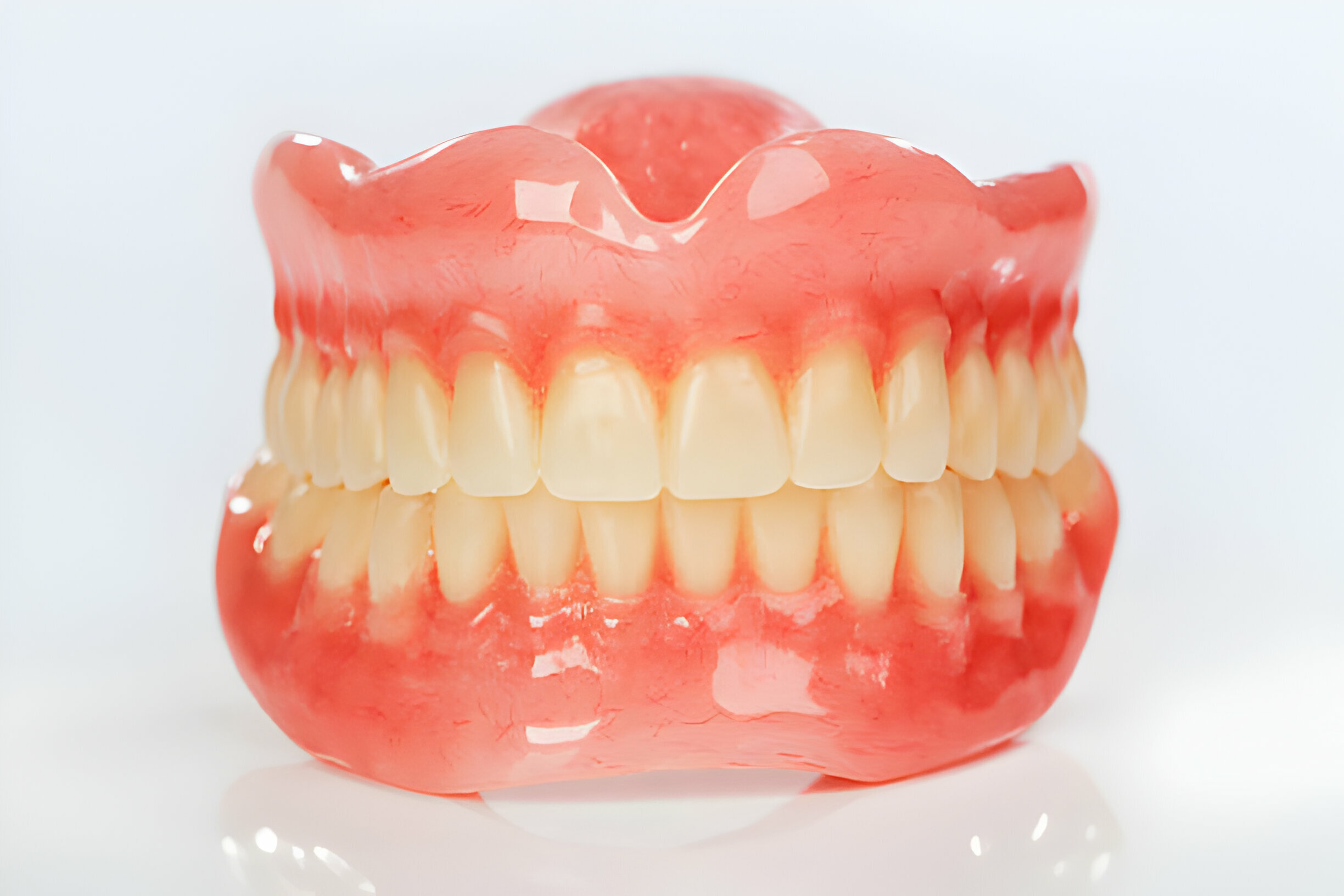
    These are designed for patients who are missing all of their teeth. They rest on the gums and are custom-made to fit the mouth, offering a natural look and feel. Full dentures are removable and are often the go-to solution for individuals with extensive tooth loss.
  2. Partial Dentures
    Partial dentures are an excellent option for patients who are only missing a few teeth. They fit around the existing teeth and fill in the gaps. This not only restores the appearance of a full smile but also helps maintain the alignment of the remaining natural teeth.
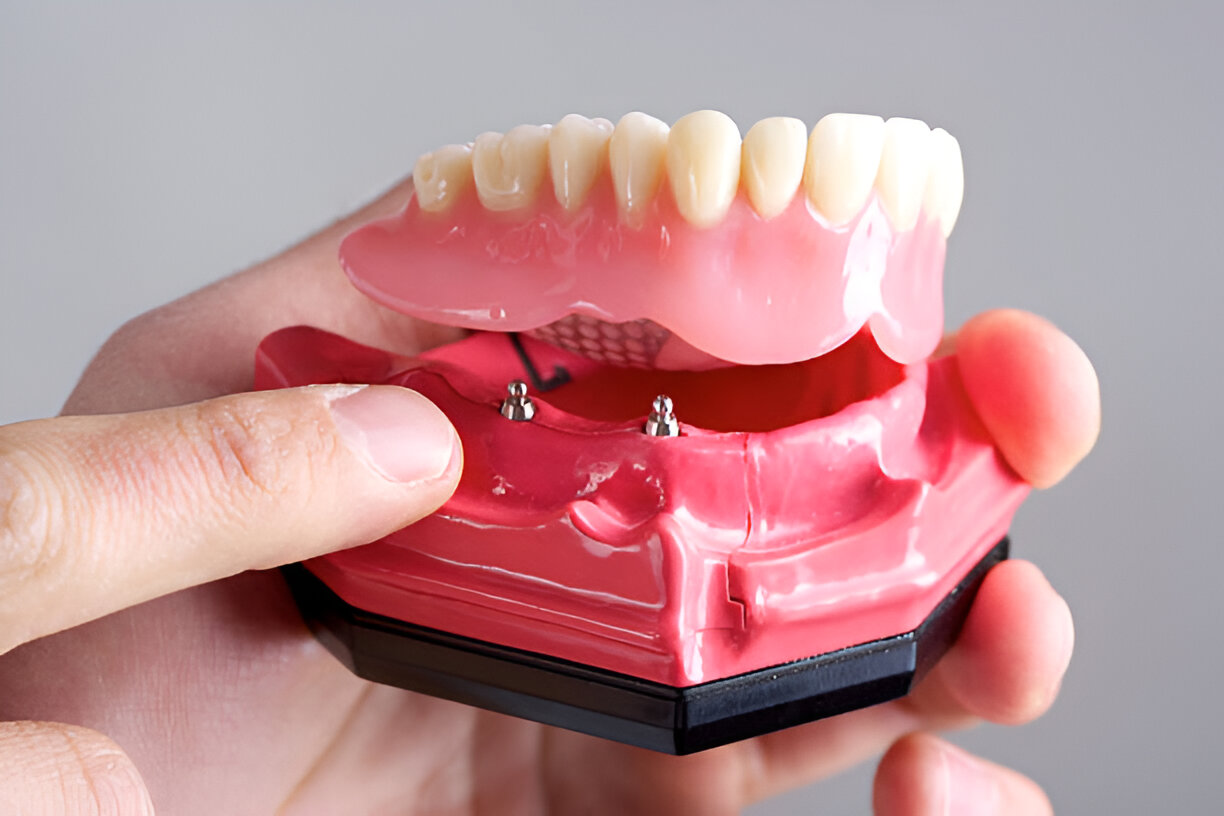
  3. Implant-Supported Dentures
    Dental implants offer a more permanent solution for dentures, providing a stronger foundation. Implant-supported dentures are more stable and feel like natural teeth compared to traditional options. Dental Arts of Frisco is a leader in providing this advanced option for patients seeking long-term solutions.
Dental Arts of Frisco: Providing the Best Dentures Experience in Frisco, TX_2

Fun Fact

Did you know that dentures date back to 700 B.C.? The ancient Etruscans in northern Italy crafted dentures using human or animal teeth. Fortunately, today’s dentures are far more advanced, offering comfort and durability that our ancestors could have only dreamed of!

What to Expect: The Denture Process at Dental Arts of Frisco

Patients at Dental Arts of Frisco can expect a streamlined process for getting dentures in Frisco TX, which typically involves a few key steps:

  1. Initial Consultation
    During this first appointment, the dentist will evaluate your dental health, take X-rays, and discuss your goals. This is the time to ask questions about the denture process, pricing, or maintenance.
  2. Impressions and Measurements
    Precision is crucial for dentures, so detailed impressions and measurements are taken of your mouth. This ensures that your dentures will fit perfectly, minimizing any discomfort.
  3. Fitting and Adjustments
    Once your dentures are ready, you’ll come in for a fitting. It’s normal to need a few adjustments as your mouth gets used to the new appliance. The dental team will work with you to ensure they fit comfortably and look natural.
  4. Post-Care and Follow-Up
    After receiving your dentures, the Dental Arts of Frisco team will provide detailed instructions on caring for them. Regular follow-up appointments will be scheduled to ensure your dentures function correctly and your gums remain healthy.

The Benefits of Dentures from Dental Arts of Frisco

Beyond just restoring your smile, getting dentures from Dental Arts of Frisco offers several advantages that contribute to your overall well-being:

  • Improved Confidence: A beautiful smile can do wonders for self-esteem. Patients often report feeling more confident in social settings after receiving their dentures.
  • Better Oral Health: Missing teeth can lead to further oral issues like bone loss or misalignment. Dentures help to prevent these problems by filling in the gaps and supporting your facial structure.
  • Enhanced Functionality: Dentures allow you to enjoy a wider variety of foods, improving your diet and overall health.
  • Natural Appearance: Dental Arts of Frisco crafts dentures that look and feel as natural as possible, making it difficult for others to tell you’re wearing them.

Common Myths About Dentures—Debunked!

Plenty of misconceptions about dentures can make some patients hesitant to pursue this solution. Let’s clear up a few myths:

  1. Myth: Dentures Are Uncomfortable and Look Fake
    Fact: Advances in dental technology mean dentures today are more comfortable and realistic than ever. With custom fittings and high-quality materials, they can feel as natural as your original teeth.
  2. Myth: Only Older Adults Need Dentures
    Fact: Dentures aren’t limited to any age group. People of all ages can benefit from dentures, whether due to accidents, genetics, or illness.
  3. Myth: Dentures Require Constant Adjustments
    Fact: While dentures are expected to need a few adjustments initially, once properly fitted, they should remain stable for years with the right care.
Dental Arts of Frisco: Providing the Best Dentures Experience in Frisco, TX_3

Takeaways

  • Personalized Care: Dental Arts of Frisco offers dentures tailored to each patient’s needs, ensuring the perfect fit.
  • State-of-the-art technology: They use cutting-edge tools like 3D imaging for precision and comfort.
  • Wide Range of Options: Choose from full dentures, partial dentures, or implant-supported dentures for the best solution for you.
  • Expert Care Team: Their highly experienced team is dedicated to providing compassionate, high-quality dental care.
  • Improved Quality of Life: Dentures from Dental Arts of Frisco offer enhanced functionality, improved oral health, and a natural appearance.
Advice on How to Eat While Wearing New Dentures

Summary:

Did you recently undergo denture therapy? 

If yes, then chances are you’re already having difficulty adapting to the oral appliance, like over 42.46 million Americans.

While these custom-molded plastic or metal appliances are designed to replace missing, diseased, or otherwise damaged teeth, they can be tough to adapt. So whether replacing old dentures or transitioning from missing teeth, getting used to eating with false teeth takes time. 

Advice on How to Eat While Wearing New Dentures_1

Following our research on dentures, we’ve listed out some typical stages of getting used to the appliance through the following sections:

  • Three Stages of Learning to Eat With Dentures
  • Understanding the Adjustment Period with False Teeth

In the following sections, we take a more detailed look at some valuable tips on eating comfortably and confidently with new dentures. So continue reading as we learn more about eating with dentures in the following sections.

Three Stages of Learning to Eat With Dentures

Stage 1: Initial Adjustment (1-2 Weeks)

The first stage of learning to eat with dentures is the first adjustment period, which usually lasts one or two weeks. During this stage, your mouth, gums, and muscles adjust to false teeth. 

Here’s what you should expect throughout this phase of denture-wearing:

  • Minor Chewing: Begin by chewing slowly and gently with your dentures, taking small chunks, and utilizing both sides of your mouth. It may feel challenging at first, but chewing often can help strengthen your muscles and enhance your eating ability.
  • Soft Food Diet: To reduce soreness and allow your mouth to heal, stick to a diet high in soft, easy-to-eat foods. It includes yogurt, applesauce, mashed potatoes, soups, and vegetables.
  • Avoid Sticky or Hard Foods: Sticky or hard meals should be avoided during the initial adjustment period since they may be difficult to chew with false teeth. It contains nuts, seeds, chewy candies, and difficult meats.
  • Stay Hydrated: Drink plenty of water when wearing new dentures throughout the day. It allows you to stay hydrated and keep moisture in your mouth and can help ease any dryness or discomfort caused by wearing the appliance.

Stage 2: Building Confidence (2-4 Weeks)

The second step of learning to eat with dentures is gaining confidence and broadening your diet to include a more extensive range of foods. This stage typically happens between two and four weeks after receiving your appliance. 

Here’s how to move through this phase:

  • Practice Different Chewing Techniques: Explore various techniques to determine what works best for you. Some people find it beneficial to chew on both sides of their mouth simultaneously, but others prefer to chew on only one side.
  • Gradually Introduce Firmer Foods: As you become more accustomed to your dentures, slowly incorporate firmer foods into your diet. Before progressing to more challenging options, begin with milder versions of these foods, such as well-cooked vegetables or sensitive meats.
  • Be Patient and Persistent: Eating with false teeth requires time and patience, so be patient with yourself through this process. It’s acceptable to make some mistakes along the way, but with practice, you’ll steadily improve your ability to eat comfortably with your dentures.

Advice on How to Eat While Wearing New Dentures_2

Stage 3: Mastery and Adaptation (4-8 Weeks)

The third and last step in discovering how to eat while wearing dentures is proficiency and adaptation, which takes place four to eight weeks after you receive your dentures. During this stage, you will continue to improve your eating abilities and adjust to wearing false teeth as smoothly as possible. 

Here’s how to tackle this stage:

  • Stay Positive: Understand that being able to eat with false teeth is a process, and it’s expected to face difficulties along the way. Maintain a good attitude and focus on your progress, enjoying your accomplishments and requesting support from your dental care team as needed.
  • Maintain Good Oral Hygiene: Regular oral hygiene is critical to the health and lifespan of your dentures. Brush your appliance and clean your mouth properly to avoid plaque accumulation, gum inflammation, and foul smell.
  • Expand Your Diet: By now, you should be more comfortable eating various foods with your dentures in Frisco. Continue to broaden your diet to include all your favorite foods, making adjustments as necessary to accommodate your dentures.
  • Visit Your Dentist Regularly: Schedule regular dental check-ups to ensure that your false teeth fit correctly and that any difficulties or concerns are addressed. Your dentist can alter or repair your appliance to ensure they are comfortable and functional.

Understanding the Adjustment Period with False Teeth

Mechanical Soft Diet

The name refers to food mechanically transformed by mashing, blending, chopping, and grinding to make it easier to chew and digest. Pureed meals, such as cooked cereal, scrambled eggs, applesauce, mashed potatoes, and pudding, provide nourishment without causing gum damage or jaw muscle strain.

Here’s everything you should know about dentures and eating them on a mechanical soft diet:

  1. Soft Texture: Foods on a mechanical soft diet have a smoother texture, making them easier to chew and swallow. Examples include cooked vegetables, tender meats, soft fruits, mashed potatoes, and scrambled eggs.
  2. Nutrient-Rich Options: A mechanical soft diet can still include critical nutrients despite its more delicate texture. Incorporating foods from many groups ensures you get enough vitamins, minerals, protein, and fiber.
  3. Avoid rough or Chewy Foods: A mechanical soft diet often excludes foods that require considerable chewing or are difficult to swallow, such as coarse meats, raw vegetables, nuts, seeds, and hard fruits.
  4. Individual Needs Adaptations: A mechanical soft diet can be adapted to individual dietary constraints or preferences. This could include pureeing foods, using sauces or gravies to soften textures, or adding nutritional supplements as needed.

Returning to Normal Food

Advice on How to Eat While Wearing New Dentures_3

Getting used to your new dentures and eating will take at least a few weeks if not more. But it would help if you remained attentive about what and how you eat. No matter how sturdy your appliance is, remember that they are replacements for teeth permanently embedded in your jawbone. Dentures, on the other hand, rest only against the gums.

Consult Your Healthcare Professionals: Before you change your diet, consult with a healthcare professional or a registered dietitian. They may provide personal advice according to your health status and dietary requirements.

Start Slowly: Gradually reintroduce light, easily digestible foodstuffs that do not irritate the intestines. Some examples may be cooked vegetables, ripe fruits, tender meats, and soft grains.

Monitor Your Body’s Feedback: Take note of any response from your body as you gradually start eating different foods. Be alert to discomfort, such as indigestion, bloating, or other gastrointestinal symptoms.

Your denture dentist will also suggest you eat a mouthful and chew slowly to aid digestion and prevent tooth damage. Additionally, you should drink plenty of water throughout the day to support digestion.

Eating After Healing

Once you’re used to wearing dentures, you should be able to eat nearly anything. Some meals (such as those that are hard, sticky, or challenging) may be inherently difficult to eat. 

Even if you have a firm mouth and false teeth that fit well, you may want to avoid certain meals. Remember, at the slightest inconvenience, you should consult the denture professionals at your nearest dentist in Frisco, TX

Takeaway

  • Dentures are effective oral appliances that help you regain confidence after losing a tooth. 
  • It is essential to consult a healthcare practitioner or nutritionist before making any dietary modifications. Ensure that you drink water throughout the day to remain hydrated.
  • Keep up with regular dental care to ensure oral health is maintained. As you return to regular food habits, take it easier on yourself.
  • Having a hard time making a comeback with dentures? Connect with our experts at Dental Arts of Frisco today!