Category : Dental Implants

Dental Implants in Frisco, TX: Restore Your Smile Permanently

Summary

Losing a tooth is not always sudden. Sometimes it happens over time. A filling fails. A crack deepens. Gum issues begin to affect stability. Eventually, the tooth can no longer be saved.

Once that happens, most patients are left deciding what comes next.

Leaving the space empty may seem manageable at first, but over time, it can affect chewing, balance, and even facial structure. That is why many patients begin exploring dental implants, which providers offer as a long-term solution.

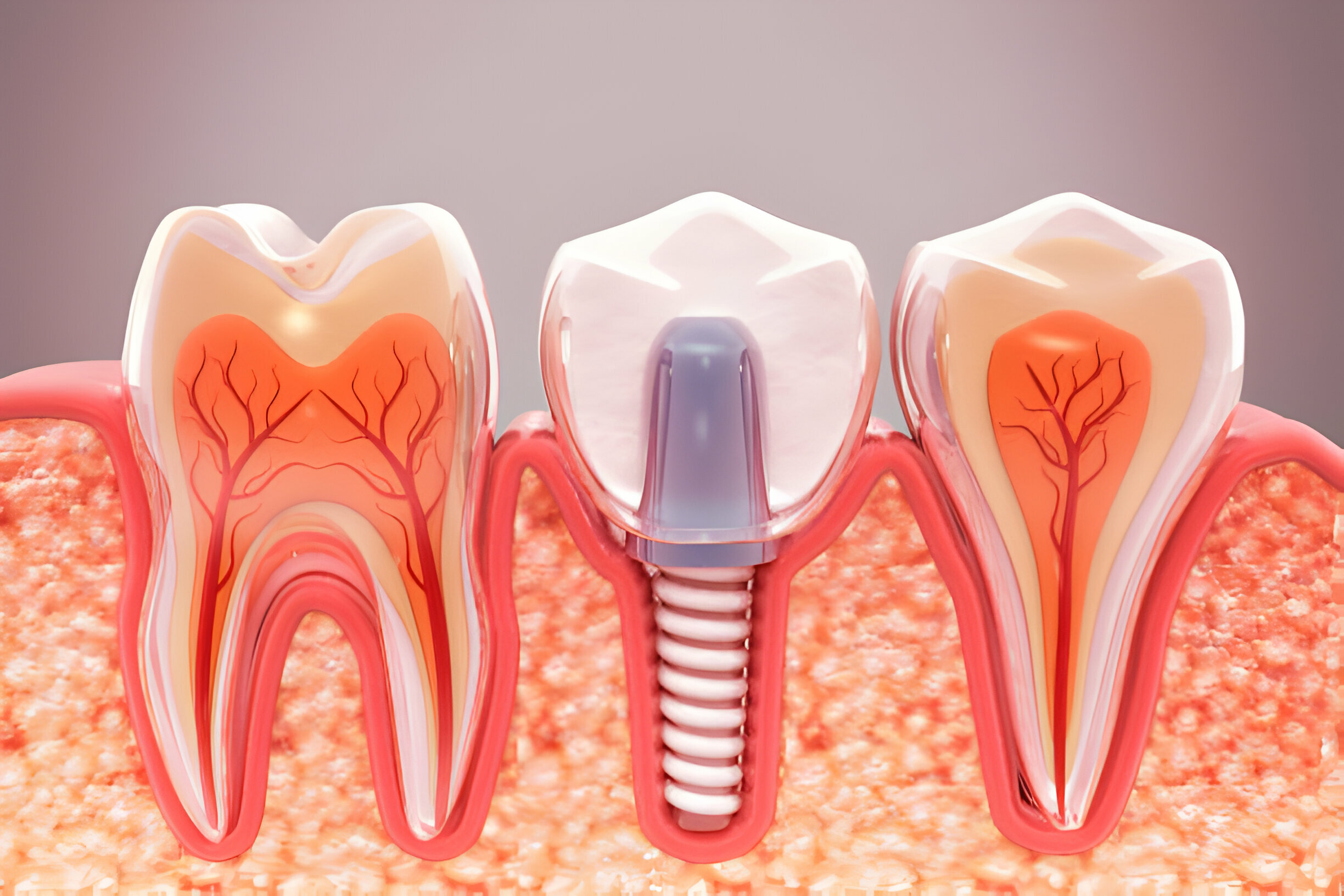
Unlike temporary fixes, implants are designed to replace both the visible part of the tooth and its root. They do not shift, rely on neighboring teeth, or require removal.

If you are considering Frisco dental implants, understanding how they work and who they are right for can help you move forward with more clarity.

What Makes Dental Implants Different

Not all tooth replacements function the same way. This is where implants stand apart.

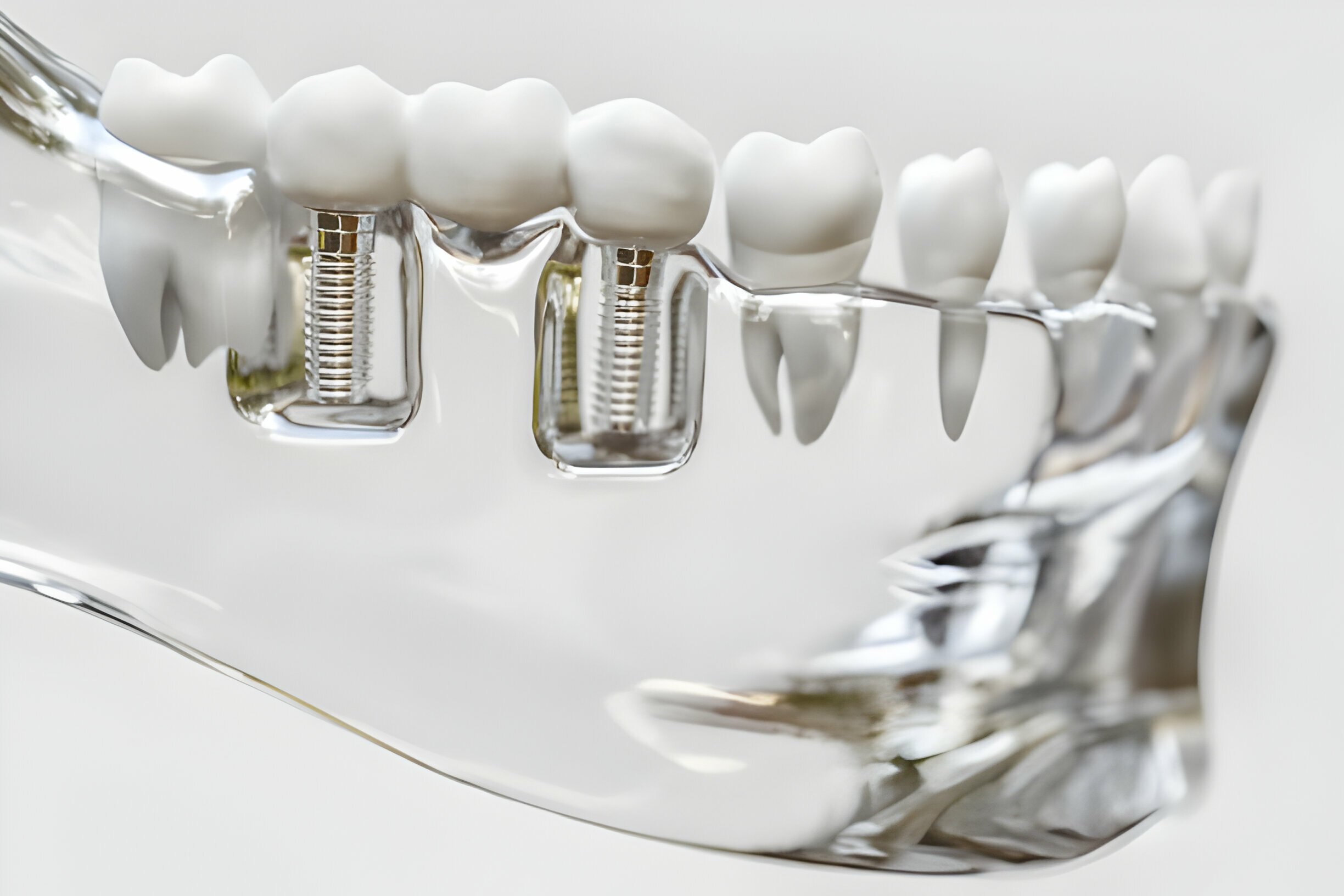
Traditional options, such as bridges or dentures, sit on top of the gums or rely on nearby teeth for support. Implants take a different approach. They are placed directly into the jawbone, where they act like a natural root.

That connection matters.

Because the implant integrates with the bone, it provides stability that other options cannot fully match. It also allows the replacement tooth to handle pressure more naturally when you eat.

Most patients notice the difference over time. The implant does not feel like something separate. It becomes part of how the mouth functions.

When Dental Implants Are Usually Recommended

Not every missing tooth requires an implant, but there are situations where an implant makes more sense than alternatives.

Dentists often recommend implants when:

  • A single tooth is missing
  • Multiple teeth are lost in different areas
  • Dentures feel unstable or uncomfortable
  • Long-term durability is a priority

In many cases, patients choose implants because they want something that does not need frequent adjustment or replacement.

A dentist in Frisco, TX, who patients trust will evaluate bone support, gum health, and overall oral condition before recommending treatment.

The Process, Step by Step

The implant process happens in stages. It is not rushed, and that is intentional.

First comes the evaluation. This includes imaging and a review of your dental history. The goal is to understand whether the jawbone can support an implant.

If everything looks good, the implant is placed into the bone. This step is done carefully and with local anesthesia.

After placement, healing begins. Over the next few months, the bone gradually fuses with the implant. This process is called osseointegration.

Once the area is stable, a connector is placed, followed by a custom crown that matches your natural teeth.

The timeline may feel longer than other options, but the outcome is designed to last.

How Daily Life Changes After Implants

One thing patients often ask is whether implants feel different once everything is complete.

At first, there is an adjustment period. But after healing, most people return to normal routines without thinking much about the implant.

Eating becomes easier. Foods that were once avoided can be reintroduced. Speech feels natural again, especially for patients who struggled with removable options.

There is also a subtle shift in confidence. Smiling does not feel restricted. Conversations feel more relaxed.

These changes tend to happen gradually, which is why many patients only notice them when they look back.

Bone Health and Long-Term Stability

One detail that often goes unnoticed is what happens beneath the surface.

When a tooth is lost, the jawbone in that area begins to shrink over time. This happens because the bone is no longer stimulated during chewing.

Implants help address that issue.

Because they sit within the bone, they continue to provide the stimulation needed to maintain its structure. This helps preserve facial shape and prevents the sunken appearance that sometimes follows tooth loss.

It is one of the reasons implants are often considered a long-term solution rather than a temporary fix.

What Can Affect Implant Success

Dental implants have a high success rate, but a few factors can influence the outcome.

These include:

  • Overall oral hygiene
  • Gum health
  • Smoking habits
  • Bone density
  • Consistency with follow-up care

Patients who maintain good oral hygiene and attend regular checkups tend to have better long-term results. This is not about perfection. It is about consistency.

Comparing Implants to Other Options

Dental Bridges

Bridges are supported by the teeth on either side of the gap. To place one, those healthy teeth are often reshaped to hold the restoration. While this approach works, it involves altering teeth that may not otherwise have needed treatment.

Dentures

Dentures are a removable option that rests on the gums. They can restore appearance and function, but some patients notice slight movement while eating or speaking. Over time, adjustments may be needed as the shape of the mouth changes.

Dental Implants

Implants are placed directly into the jawbone and do not depend on surrounding teeth for support. Because they are anchored in place, they stay stable during everyday use and function more like natural teeth.

Why Local Care in Frisco Matters

Choosing a provider close to home can make the process easier.

Implants involve multiple visits, including evaluation, placement, and follow-ups. Having a dentist patients can easily reach reduces delays and keeps care consistent. It also allows for quicker adjustments if needed.

Patients often feel more comfortable returning to a familiar environment, especially during a treatment that spans several months. That familiarity can make the process feel more manageable overall.

Questions Patients Often Ask

  1. Are dental implants permanent?They are designed to last for many years. With proper care, many implants remain stable long term.

  2. Is the procedure painful?Most patients report minimal discomfort during placement due to local anesthesia.

  3. How long does the process take?The full timeline can take several months because healing between stages is important.

  4. Can anyone get implants?Most adults are candidates, but evaluation is needed to confirm bone and gum health.

Conclusion

Dental implants offer a way to restore both function and structure after tooth loss. Instead of relying on surrounding teeth or removable solutions, they provide a stable, long-term replacement.

For patients exploring dental implants in Frisco, TX, the decision often comes down to durability, comfort, and how natural the result feels over time. Working with a trusted dentist ensures the process is carefully planned and executed with attention to long-term results. Connect with our experts at Dental Arts of Frisco today!

Takeaway:

  • Dental implants replace both the tooth and its root; it’s a great option to fix your smile.
  • The process takes time but offers long-term stability; it helps maintain jawbone structure.
  • Local care in Frisco supports consistent follow-up and comfort.
  • Ready to experience a seamless smile?
What to Expect During the Recovery Process After Dental Implants in Frisco, TX

Summary:

One of the most trusted and long-term solutions for replacing missing teeth is dental implants. This has become one of the most popular choices among patients because it not only helps restore your smile but also maintains jawbone health and overall oral function. 

However, what makes the treatment a success is the recovery process. To allow the implant to properly fuse with the bone, proper healing is crucial. This process is known as osseointegration. 

For patients in Frisco, TX, it is natural to wonder what the healing journey feels like and how long the process takes. In fact, studies show that dental implants have a success rate of over 95% when proper aftercare is followed.

In this article, we will cover:

  • Immediate Post-Surgery Phase: The First 24–48 Hours
  • The First Week: Managing Discomfort and Promoting Healing
  • The Osseointegration Phase: Healing Beneath the Surface

Continue reading to learn more about the recovery process for dental implants in the following sections. 

Immediate Post-Surgery Phase: The First 24–48 Hours

It is completely normal to experience mild swelling, soreness, or a small amount of bleeding after your implant surgery dental procedure. It is because your body is simply adjusting and beginning the healing process.

What to Expect:

  • Mild swelling around the implant area or jaw
  • Slight bleeding for a few hours after surgery
  • Tenderness or discomfort near the treated site

These are all common and usually ease within a couple of days.

How to Manage Discomfort:

  • Get plenty of rest and avoid strenuous activities.
  • Use an ice pack on the outside of your cheek to reduce swelling.
  • Take prescribed pain medication or over-the-counter pain relief as directed by your dentist.

Follow Your Dentist’s Instructions:

Your dentist will provide you with aftercare guidelines tailored to your specific needs, including instructions on how to clean your mouth and which food items to avoid. You will experience a smoother recovery and help your implant heal properly if you follow these directions closely. 

The First Week: Managing Discomfort and Promoting Healing

The first week right after you have done your dental implant is all about allowing your body to heal and adjust to the changes in your mouth. It is completely normal to experience mild swelling, tenderness, or slight bruising during this time; however, these symptoms usually subside within a few days.

Gentle Oral Care

Keeping your mouth clean is essential for proper healing, but be gentle.

  • Rinse with warm saltwater a few times a day, especially after meals, to reduce bacteria and soothe the gums.
  • Avoid brushing directly over the implant site for the first few days; instead, gently clean the surrounding teeth.

Stick to Soft Foods

Choose those food items during this time that are easy to chew and gentle on your gums. Food items such as scrambled eggs, mashed potatoes, soups, yogurt, and smoothies are a perfect fit. Avoid consuming crunchy, spicy, or sticky foods that may irritate the area.

Avoid Harmful Habits

Try to stay away from smoking and alcohol during the healing phase. Both can slow recovery and affect implant success. With a little care and patience, your mouth will start feeling better each day.

The Osseointegration Phase: Healing Beneath the Surface

The real magic after the dental implant is placed happens beneath the surface, a process known as osseointegration. This happens when the implant naturally fuses with your jawbone and creates a solid and stable foundation for your new tooth. Just like how roots anchor natural teeth, think of this as the way your body locks implants securely in place. 

What You’ll Experience

During osseointegration, most patients don’t feel any major changes. There might be mild tenderness in the early days, but overall, the process is smooth and gradual.

How Long Does It Take?

Depending on your bone health and your body’s response, the healing phase typically lasts from a few weeks to several months. Although it may seem nothing is happening, significant internal healing is underway, and this step is absolutely vital for long-term success.

Follow-Up Visits Matter

Your dentist in Frisco, TX, will schedule regular follow-up visits to monitor your healing, ensure the implant is bonding properly, and make any necessary adjustments. Attending these appointments helps guarantee that your implant stays strong and lasts for years to come.

Common Sensations and What’s Normal vs. When to Call Your Dentist

It is perfectly normal for people to experience mild symptoms as their mouth begins to heal after a dental implant. Here is what you can typically expect, along with the best time to reach out to your Frisco dentist for assistance.

What’s Normal

In the first few days, you might notice:

  • Mild soreness or tenderness around the implant site
  • Slight swelling of the gums or jaw
  • Minor bleeding within the first 24–48 hours

When to Call Your Dentist

If you notice any of the following, don’t ignore it; contact your dentist right away:

  • Severe or increasing pain that doesn’t ease with medication
  • Excessive swelling that worsens after a few days
  • Prolonged or heavy bleeding
  • Implant mobility or a loose feeling around the site

Staying in touch with your Frisco dentist ensures prompt care and helps prevent complications, keeping your implant recovery smooth and successful. 

Caring for Your Implant During Recovery

After surgery, taking proper care of your dental implants in Frisco, TX, is crucial to a smooth and successful recovery. A few simple daily oral habits can make a big difference in how fast and comfortably you heal. 

1. Maintain Gentle Oral Hygiene

Keep your mouth clean to prevent infection. Use a soft-bristled toothbrush and mild toothpaste to gently clean the area around the implant. Rinse your mouth gently with warm salt water to soothe your gums and keep bacteria at bay.

2. Watch What You Eat

For the first few weeks after your treatment, avoid hard, crunchy, or sticky food completely. Instead, you can opt for foods such as yogurt, mashed vegetables, and soups; basically, those that are easy on your healing process.

3. Stay Hydrated and Eat Well

Drinking plenty of water helps your body heal faster. Include foods rich in vitamins and protein, like leafy greens, eggs, and fish, to support tissue repair.

4. Don’t Skip Dental Visits

If you are consistent with your check-ups, your dentist can monitor the healing of your implant and address any issues early. 

Takeaway

  • Mild swelling, soreness, and tenderness are normal during the first few days after implant surgery.
  • Gentle oral care, a soft-food diet, and avoiding smoking or alcohol help promote faster healing.
  • Regular follow-up visits with your Frisco dentist ensure your implant heals properly and lasts long-term.
  • Ready to give your smile a complete makeover? Connect with our experts at Dental Arts of Frisco today!

What to Expect During Dental Implants in Frisco, TX

Summary:

Did your dentist recently suggest you undergo a dental implant procedure? 

If yes, then congratulations! Like over 3 million other Americans, you’re only a few steps away from replacing your lost teeth with a permanent option. An implant works as a prosthetic tooth that replaces the roots of your affected or missing tooth.

What to Expect During Dental Implants in Frisco, TX_1

Interestingly, however, that’s not all. There are several steps involved in the dental implant treatment. Therefore, in this blog, we take a closer look at the steps via topics like:

  • Overview of the Process – What Happens During Implant Operation?
  • Different Steps Involved in Dental Implant Procedure
  • Purpose Behind the Procedure
  • After the Surgery

Continue reading as we learn more about the procedure in the following sections. 

Overview of the Process – What Happens During Implant Operation?

The dental implant procedure is a surgical treatment that replaces your tooth roots with metal posts. These posts resemble screws for prosthetic teeth, which are then topped with crowns to give it a natural appeal. 

The process of receiving dental implants is generally categorized into three stages: a general checkup, extraction, and abutment placement. However, the process may vary depending on the type of bridges and crowns you prefer. 

What to Expect During Dental Implants in Frisco, TX_2

The type of implant, the severity of your allergic reaction, and the condition of your jawbone all influence how your dentist for implants in Frisco conducts the dental procedure. You may require many dental procedures to let your bone heal correctly around the implant. This healing process may take time, but it guarantees the new tooth is well-supported.

Lastly, dental implants require several visits. These include a consultation, one appointment for the implant, and another to link the new teeth.

Now that we have an overview of the procedure let’s learn more about it in the following sections. 

Different Steps Involved in Dental Implant Procedure

1. Initial Evaluation

Your oral surgeon or dentist will first do a comprehensive examination depending on the condition of your jawbone. It helps you choose the best dental implant procedure for you. During this first assessment, X-rays, impressions, and tooth color matching ensure your implant appears as natural as possible.

Next, you will decide how many teeth you want to replace with implants. Depending on your oral health, this may require extra planning with other dental professionals, such as periodontists.

Following this, they will also talk about your medical issues and medicines. Depending on your health or orthopedic implants, you may need antibiotics before surgery to prevent infection.

2. Tooth Extraction

If you still have a tooth that has to be replaced, your dentist will extract it before proceeding with the rest of the procedure. It can be done simultaneously with the implant implantation.

Once you visit the best dentist in Frisco, TX, they will review your anesthetic choices. Your dentist will most likely use a local anesthetic such as novocaine (or lidocaine) to numb you and relieve any pain. Unless the tooth is damaged, it should be easy to extract.

When the tooth is removed, you will feel a slight tug and pressure. After the extraction, you should refrain from blowing your nose, spitting excessively, smoking, or drinking via a straw. These acts can cause dry sockets and discomfort.

3. Inserting the Dental Implant and Bone Grafting

There are two types of dental implants: one implanted into the jawbone and one placed beneath your gumline. 

Let’s talk about whether you should have the implant placed in your jaw. If your existing jawbone is robust and thick enough, you may not need more bone implanted.

Your jaw must be robust since chewing exerts a lot of strain, and your bone must be robust to preserve the implant. If your jaw needs an additional bone, it usually comes from a part of your jawbone different from the implant region.

If you have a graft, you may need to wait for the bone to cure before inserting the implant. Once the bone has healed, the dentist or surgeon will place the implant.

After the implant is placed in your jawbone, it will develop around it. Subsequently, the implant integrates into your natural gum line. This procedure varies by individual and might take three to nine months. 

4. Abutment Placement

Once your implant is stable enough, your dentist will attach an abutment. This part of the abutment links the implant with your crown. The abutment should be tightened to stay in position as you eat.

You won’t experience any pressure at all during this procedure. There, you will be administered a local anesthetic. The abutment can occasionally be placed in tandem with the implant since it reaches past the gum line. 

You must consider concealing it, as it will show when you smile. The dentist will apply a healing cap to prevent tissue and bone from developing on top of the abutment.

5. Adding the Permanent Crown

After your gums have healed, your dentist will create an artificial tooth or crown. You can have either a detachable or a permanent implant. If you have several teeth in the rear, you may prefer removable dentures so that you may clean and replace them as needed.

Fixed implants cannot be removed for replacement or cleaning. It is firmly fastened into the abutment or cemented with cement.

Purpose Behind the Procedure

A dental implant replaces one or more permanent teeth lost due to tooth decay, accident, gum disease, or infection. During the initial session, your dentist may offer various possibilities for tooth replacement, including dentures and bridges.

They will consult with you to determine whether you have adequate space and bone in the location of the lost tooth for the treatment. If you’ve been missing a tooth for a while, you may be experiencing bone loss. Before visiting the dentist for a dental implant in Frisco, TX, you must undergo a bone grafting procedure.

After the Surgery

It is typical to feel some discomfort following surgery. You may experience mild bruising on your gums, slight bleeding, swelling around your gums and cheeks, and discomfort at the implant site.

What to Expect During Dental Implants in Frisco, TX_3

After surgery, you should stock up on soft meals and keep cold packs on hand to minimize swelling. Smoking tobacco should be avoided since it increases your risk of diseases, such as root canal infections, and it can discolor your teeth. 

To safeguard this implant, it is critical to practice appropriate hygienic practices. This includes flossing regularly and cleaning your teeth twice a day. Avoid consuming hard candies, as they might harm your implants.

Takeaway

  • An implant works as a prosthetic tooth that replaces the roots of your affected or missing tooth.
  • The process of receiving dental implants is generally categorized into three stages: a general checkup, extraction, and abutment placement.
  • Fixed implants cannot be removed for replacement or cleaning. It is firmly fastened into the abutment or cemented with cement.
  • Smoking tobacco should be avoided since it increases your risk of diseases, such as root canal infections, and it can discolor your teeth. 
  • Ready to retain your smile? Let’s help you fix it with our Dental Arts of Frisco experts. 

Type Of Dental Implants? Which One Is Best For You?

Did you know dental implants are the missing tooth alternative for over 156 million Americans?

Dental implants are a permanent teeth replacement solution to fix your smile. They are a great option if you have one or more missing teeth. 

In this blog, we take a closer look at: 

  • What Are Implants?
  • Do I Need Dental Implants? 
  • Type Of Dental Implants?
  • What Does The Invisalign Procedure Looks Like?
  • Which Implant Is Best For Me?

Let’s understand more about these implants in the following sections. 

Introduction:

Dental implants are an excellent alternative for missing or lost teeth. 

Wonder what are implants for teeth?

These artificial structures comprise a screw-like device the surgeon inserts strategically into the jawbone. Once done, your dental implants will look and feel like natural teeth. 

However, not everybody is a potential client for dental implants. Let’s look into the different aspects of the treatment in this article. 

Do I Need Dental Implants?

While most individuals need an implant, most have no idea about it. The best way to know whether to explore different dental implant options is to visit a periodontist or an oral surgeon. 

Or, you could also check out some warning signs that suggest it’s time to opt for crowns or implants shortly. They are:

  • Missing teeth
  • Loose teeth, bridges, or dentures
  • A badly cracked tooth.
  • Severe pain or toothache
  • Difficulty when chewing or biting
  • A severe infection in one or more teeth

Remember, these effects can go away in a few days. However, if they persist, consult with your nearest dentist. 

Type Of Dental Implants?

Once your dentist confirms that you need implants, it’s time to check out your missing teeth options. Commonly, there are three types of dental implants that you can choose from. 

  • Endosteal Implants

Endosteal implants are the most prevalent form of dental implant. They are appropriate for patients with a strong, healthy jawbone. Talking of the implants, they’re like placeholder posts that come in the shape of screws. 

They insert the jaw into which the fake teeth are inserted. Once healed, the fake teeth can be fitted to the post to match the neighboring teeth.

  • Subperiosteal Implants

Next, we have subperiosteal implants, another alternative to endosteal implants. These implants are generally preferred for individuals who don’t have enough jawbone for an implant. Or if a patient doesn’t want to undergo intensive surgery in their cavity. 

The subperiosteal implant comprises a metal frame with a post inserted beneath the gum. These implants lay on the bone instead of being fixed to the jawbone. Once done, the gum heals around the frame, securing it, and the fake teeth are attached to the gum-derived poles. 

  • Zygomatic Implants

Next, we have zygomatic implants, one of the best replacement teeth options for individuals who don’t have enough jawbone to opt for either of the treatments mentioned above. 

These implants are placed on the patient’s cheekbones rather than the gum or jaw. This complicated procedure best replaces almost every tooth missing in an arch. 

Now that we know the three types of implants let’s learn about the implant techniques in the following sections.

What Does The Implant Procedure Looks Like?

Dental Implant Procedure

Once your dentist determines that you’re an ideal candidate for dental implants, they’ll start creating a custom treatment plan for you. The treatment generally starts with anesthesia at the dentist’s table. 

While unconscious, the post will be surgically implanted into your jawbone. This process should be painless and take 3 to 4 months for your post to merge with your bone.

Once healed, the abutment connects your customized crown to the post. After the process, your dental implants will look and feel like your lost natural teeth as the appliance will replace everything from root to crown. 

Normally, a single-tooth dental implant can be a great option for you if you have multiple missing front teeth or missing teeth that are not adjacent to each other. 

Which Implant Is Best For Me?

Based on how implants are done, your chosen method, and your oral conditions, there are different implants to restore your smile. 

Here’s an overview of the different implants and what would work best for you: 

  • For a Single Tooth:

You require a single implant with one post and crown for a lost tooth. Your dental surgeon will insert the post into your jawbone during this process. The procedure is painless and can take up to four months to complete. Once your jawbone heals, your dentist will connect the crown to your tooth structure.

  • Implant-Supported Bridge for Multiple Teeth:

Next, we have an implant-supported bridge, the best option for multiple lost teeth. In this process, a bridge of crowns is connected in a series of dental implants. However, if your mouth has more significant gaps between fixed teeth, you might need the next option. 

  • Implant-retained Denture for All Teeth:

Implant-retained dentures are a great option if you want fixed, permanent dentures. These dentures are custom-designed to fit your jaw and gums. The appliance is designed to fit precise aesthetics and is perfect if you wear removable dentures.

Takeaway

  • Dental implants are the missing tooth alternative for over 156 million Americans.
  • Implants are artificial structures comprising a screw-like device.
  • A single-tooth dental implant can be a great option if you have multiple missing front teeth.
  • Based on how implants are done, your chosen method, and your oral conditions, there are different implants to restore your smile. 

How Dental Implants Can Add To Your Oral Health

Having a bright, elegant smile is everyone’s fantasy! Sadly, however, it’s not always a reality. Many individuals tend to lose a tooth or two to accidents or natural causes. This, in turn, takes a toll not only on your oral health but also on your confidence and overall well-being.

But there’s good news! You no longer need to feel low or under-confident about your lost teeth. Thanks to dental implants, you can make the most of your oral health without compromising your lifestyle. 

Dental frisco tx recommends dental implants as the go-to option, thanks to their functionality and features. Continue reading as we understand more about how these appliances add to your health.

Perks Of Opting For Dental Implants To Improve Your Overall Health

Prevent The Loss Of Other Teeth

Your jawbone may weaken when you lose a tooth and fail to replace it. This, in turn, will allow other teeth to fall out eventually. Additionally, if you’re a prosthetic user wearing dentures or bridges, it might stress your other teeth, eventually making them fall off. 

However, all these aspects are covered if you settle for dental implants. During this process, your dental implants frisco tx expert surgically inserts a titanium screw behind your gum line into your jawbone. This screw is an artificial root accommodating a custom-made prosthetic tooth called a crown. Both these components are connected via a natural link with your jawbone. This way, a dental implant restores a lost tooth permanently.

Moreover, dental implants encourage the formation of new bones, which is advantageous for the health of your jawbone and the existing teeth.

Protect You From Gum Disease And The Health Risks Linked To It

Bridges and dentures often make it difficult to maintain appropriate oral hygiene since they make it difficult to brush and floss effectively. Poor oral hygiene brought on by this plaque and germ buildup in your mouth may result in gum disorders like periodontitis and gingivitis.

Interestingly, choosing dental implants makes things a lot simpler. Compared to bridges and dentures, dental implants are significantly simpler to clean and floss. You can thoroughly brush and floss implants since they feel like natural teeth, lowering your risk of developing gum disease and other associated health issues.

Help You Eat A Healthier Diet

If you or someone you know has dentures or bridges, you’re probably aware of the many foods to avoid while using these appliances. This list includes some very healthy foods. For instance, fruits, veggies, nuts, seeds, and fiber-rich whole grains are linked to a lower risk of various health conditions. 

However, there are no such restrictions when you use dental implants. Since these appliances are more like natural teeth, you don’t have to hold back on foods that are great for your health. 

Improve Your Quality Of Life

As mentioned earlier, you tend to lose self-esteem if you have missing teeth, uncomfortable bridgework, or poorly fitted dentures. Such behavior can take a toll on your quality of life and, in turn, affect your health over time.

But that’s not the case with dental implants. These appliances allow you to be who you are. When using implants, you’re more likely to feel confident and have a better quality of life than the other instances mentioned above. 

Implants Preserve Bone Density

A tooth extraction leaves behind an empty socket and bone. If there is nothing to support it, the portion of the bone that encircled that tooth starts to weaken and deteriorate over time. Adding to it, the jawbone eventually becomes smaller and less dense over time, causing various problems. 

However, things are different with dental implants. These appliances can strengthen the region and support a replacement for the lost tooth, preventing bone erosion. Dental implants prevent bone density loss and support better tooth movement as they permanently bond with the jaw bone and fill your empty socket.

Dental Implants Are Versatile

Partial, complete dentures and bridges are great dental appliances but have a sudden limitation associated with them. For instance, they are not compatible with replacing all teeth. Consequently, your treatment options are restricted to your overall teeth loss. 

However, things are different with dental implants. These appliances are an adaptable form of therapy. Since implants have the potential to replace one tooth or all your missing teeth, they become the most versatile option for different applicants. 

Now You Know!

This brings us to the end of our blog on the primary perks of opting for dental implants. So now that you have an idea of the dental procedure and understand how it adds to your lifestyle, we hope you make the most of it. However, while you’re at it, ensure that you take all the necessary steps for a successful procedure and maintain adequate oral health. All the best!